
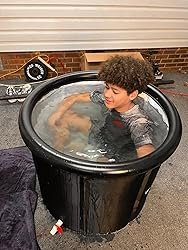
One of the biggest challenges for people who regularly use ice baths is keeping the water cold for long enough. Without proper insulation and maintenance, water temperature can rise quickly, leading to more ice usage and frequent refills.
This guide covers practical, proven ways to keep your ice bath colder for longer—especially for home and outdoor setups— while reducing effort and ongoing maintenance.
Why Ice Bath Water Warms Up Quickly
Ice bath temperature is influenced by several common environmental factors:
- Ambient air temperature
- Direct sunlight exposure
- Wind and airflow
- Heat transfer from the ground
- Lack of insulation or coverage
Understanding these factors is the first step toward maintaining a colder and more consistent ice bath.
Start With the Coldest Water Possible
Before adding ice, start with the coldest water available from your tap. In many regions, tap water alone can reach temperatures between 55–60°F (13–16°C), which is already suitable for cold plunging.
When adding ice, do so gradually. Adding too much ice at once often causes rapid melting and less stable temperature control.
Use an Insulated Cover to Reduce Heat Loss
An insulated cover is one of the most effective tools for keeping an ice bath cold for longer periods. It helps limit heat transfer from the surrounding air and slows down ice melt.
- Reduces exposure to warm air
- Helps maintain consistent water temperature
- Decreases overall ice consumption
Inflatable insulated covers are especially useful because they create an air barrier while remaining lightweight and easy to store when not in use.
Protect Outdoor Ice Baths With a Waterproof Cover
If your ice bath is placed outdoors, protection is just as important as insulation. A waterproof cover helps shield the tub from rain, debris, and direct sunlight.
- Prevents rainwater from warming the tub
- Keeps out leaves, dust, and insects
- Helps reduce surface heat from sun exposure
Using a waterproof cover when the tub is not in use can significantly improve temperature retention and reduce how often the water needs to be changed.
Choose the Right Location for Your Ice Bath
Placement plays a major role in how long your ice bath stays cold. Small adjustments can make a noticeable difference.
Best placement tips:
- Place the tub in shaded areas whenever possible
- Avoid direct contact with hot surfaces such as concrete
- Use a mat or insulation underneath the tub
- Reduce exposure to strong wind and airflow
Improve Temperature Retention With Simple Maintenance
Good maintenance habits help keep water colder and cleaner over time.
- Drain and refresh water regularly
- Remove debris promptly
- Keep the tub covered when not in use
- Use a drain valve to make water changes faster and easier
Efficient drainage and regular cleaning reduce heat buildup and improve long-term usability.
How Long Can an Ice Bath Stay Cold?
With proper insulation, covers, and placement, many users find their ice bath stays cold for 24–48 hours, depending on climate and usage.
Consistency matters more than extreme temperatures. A stable cold range that is easier to maintain often leads to better long-term routines.
Common Mistakes to Avoid
- Leaving the tub uncovered between sessions
- Placing the tub in direct sunlight
- Adding too much ice at once
- Ignoring routine drainage and cleaning
Final Thoughts
Keeping your ice bath colder for longer does not require complex equipment or constant ice refills. With insulated covers, waterproof protection, thoughtful placement, and simple maintenance habits, cold plunge routines become easier, more efficient, and more sustainable.
Small upgrades and consistent habits often make the biggest difference.